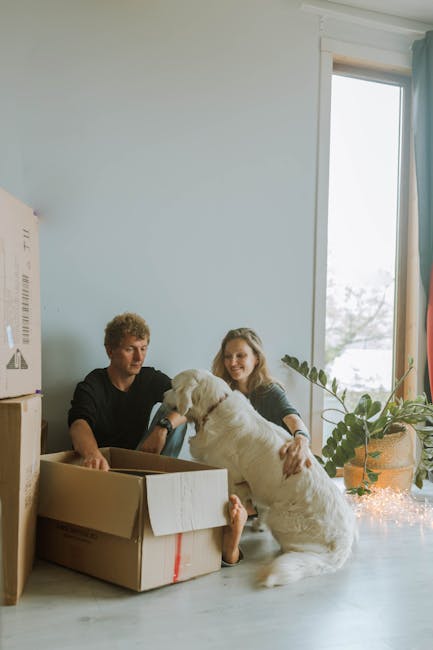
Moving with pets in the UK complete checklist
Moving house is messy enough on its own. Add a nervous cat under the sofa, a dog picking up every strange sound, or a rabbit who hates change, and the day can feel like a full-on juggling act. This guide to Moving with pets in the UK complete checklist is here to make that easier.
You will find a practical, calm, UK-focused checklist that covers planning, transport, safety, settling in, and the little details people often forget until the last minute. Truth be told, pets usually cope best when the humans around them are organised. That is the whole game.
Whether you are moving across town or heading to a new part of the country, the right preparation can reduce stress for everyone. It can also help you avoid those awkward small disasters, like a cat carrier still in the loft or a dog lead packed in a random box labelled "misc".
Table of Contents
- Why this checklist matters
- How the moving process works for pets
- Key benefits and practical advantages
- Who needs this guide
- Step-by-step guidance
- Expert tips for better results
- Common mistakes to avoid
- Tools, resources and recommendations
- Law, compliance, standards and best practice
- Options, methods and comparison
- Case study or real-world example
- Practical checklist
- Conclusion
- Frequently asked questions
Why Moving with pets in the UK complete checklist Matters
Pets do not understand moving day the way people do. They do not see "new opportunities" or "better storage". They notice the packing tape, the open doors, the strange smells, and the fact that their familiar territory has suddenly become noisy and unpredictable.
A proper checklist matters because pets are most likely to become unsettled when routines disappear. Some will hide. Some will bark, pace, meow, or stop eating for a bit. A few, especially older animals, can become overwhelmed quickly. A calm plan helps reduce that risk.
There is also a safety angle. On moving day, doors get left open, furniture shifts around, and boxes pile up in places they should not. Without a plan, pets can escape, get underfoot, or panic during loading. That is when accidents happen, and nobody wants that.
For UK households, there is another practical layer: if you are moving a long distance, you may need to think about travel stops, weather, narrow streets, parking access, and whether your new home is ready for animals to enter straight away. Not glamorous, but very real.
Expert summary: Pets usually move best when they have a quiet "safe zone", a familiar carrier or bed, and a predictable sequence for packing, transport, arrival, and first-night settling. Simple, yes. Easy to forget, also yes.
How Moving with pets in the UK complete checklist Works
The idea is straightforward: break the move into stages and make decisions before the pressure kicks in. Instead of trying to improvise on the day, you prepare your pet's routine, travel kit, and arrival space in advance.
In practice, that means planning around four moments: before moving day, the day itself, arrival at the new home, and the first few days after. Each stage has its own risks. Each stage needs a slightly different approach. That is where the checklist earns its keep.
For example, a dog may need an early morning walk before the van arrives, then a secure room while boxes are moved, then a quiet bedding area at the new property. A cat might need to stay indoors longer than normal, especially if it is likely to bolt. Small pets, meanwhile, often do best when they stay in their own familiar enclosure with minimal handling.
If you are using a removals team or a man and van service, it helps to share pet arrangements in advance. A moving crew can only work around animals properly if they know where pets will be kept and which doors must stay shut. A little heads-up makes a big difference. Honestly, it saves everyone a headache.
Key Benefits and Practical Advantages
A good pet-moving plan is not just about being kind, though that matters a lot. It also makes the whole move more efficient and less chaotic.
- Less stress for the pet: predictable routines lower anxiety and reduce the chance of frantic behaviour.
- Better safety: fewer escape risks, less chance of injuries, and less confusion around open doors or moving furniture.
- Smoother moving day: if the pet is already sorted, the rest of the move can happen without constant interruptions.
- Quicker settling in: familiar bedding, toys, and feeding patterns help pets recognise the new space sooner.
- Less worry for you: when the pet plan is sorted, you can focus on the move itself instead of checking the hallway every five minutes.
There is also a subtle benefit people rarely mention: pets often mirror your mood. If you are running around in a panic, they feel it. If you are calm and prepared, they are more likely to settle. Not always, of course. Cats do love a dramatic exception. But the pattern holds.
Who This Is For and When It Makes Sense
This checklist is useful for almost anyone moving with animals in the UK, but it is especially helpful if you are handling one of these situations:
- moving with a dog, cat, rabbit, guinea pig, bird, or reptile
- relocating with a rescue pet that is still getting used to routines
- moving long distance or across counties
- using a full house move service or a smaller man and van setup
- moving into a flat, terrace, or home with shared access where doors and hallways matter
- moving with children as well, which adds another layer of noise and movement
- moving during warm weather, cold weather, or a particularly wet British day, which can make travel messier than expected
It also makes sense if you have more than one pet. Two animals rarely behave identically. One may be chilled out. The other may act like the end of the world has arrived. That imbalance can throw off the day if you have not planned for it.
If the move is larger or involves heavy furniture, you may also want to look at support from home moving services or, where suitable, house removalists. The more predictable the furniture flow, the easier it is to keep pets out of the way and safe.
Step-by-Step Guidance
1. Start with the vet and paperwork
If your pet has health issues, travel anxiety, or medication needs, speak to your vet before moving day. You do not need to overcomplicate it, but you do want to know whether your pet may need support during the transition. For long-distance or unusual moves, ask whether any records, prescriptions, or vaccination details should be kept handy.
Keep one folder or envelope with the essentials. Think of it as the pet version of your moving-day wallet. Simple. Easy to grab. Not buried in a box marked "bathroom odds".
2. Confirm where the pet will stay on moving day
Choose a quiet room early. Ideally it should have the pet's bed, litter tray, water, toys, and a sign on the door so nobody opens it by mistake. This is especially useful if you have removers, friends, or family members coming and going.
For cats and small pets, the room should be closed off well before the first box is moved. For dogs, you may need a short walk and then a secure space once the main loading begins.
3. Pack a dedicated pet travel kit
Do not throw pet items into general boxes. Keep a clearly separated bag or crate with:
- food for at least a couple of days
- water bowl or bottle
- lead, harness, collar, and ID tag
- carrier or crate
- favourite blanket or bed
- toys and comfort items
- litter tray or puppy pads if needed
- any medication
- clean-up supplies and paper towels
This bag should travel with you, not in the back of the van. If you arrive tired and the pet is unsettled, you will want instant access to food, water, and comfort items.
4. Keep routines steady in the lead-up
Pets cope better when their day feels familiar. Keep feeding times, walks, and play sessions as normal as possible during the final week. It will not solve everything, but it helps maintain a sense of routine in the middle of all the packing chaos.
To be fair, this is the part many people underestimate. They focus on boxes and forget that the pet has been watching every room slowly disappear.
5. Move pets last, if possible
Whenever practical, let your pet be one of the last things to leave the old property. That reduces the time they spend surrounded by noise, open doors, and moving furniture. It also means you can focus on them once the main loading is done.
If a pet is especially anxious, arrange for one person to stay with them while others manage the last jobs. A familiar voice and steady presence can make a noticeable difference.
6. Travel safely and calmly
Use a secure carrier or travel crate where appropriate, and make sure the vehicle is ventilated and comfortable. Never let a pet roam loose in the car if that would be unsafe or distracting. Dogs should be restrained properly; cats and small animals are usually safest in carriers.
Plan for breaks if the journey is long. Keep the car cool enough in summer and avoid leaving pets unattended in a vehicle. That advice sounds obvious, but moving day is exactly when obvious things get forgotten.
7. Set up a safe room at the new home first
Before unpacking everything else, prepare one quiet room where your pet can decompress. Put out water, bedding, and familiar items before opening the carrier. This gives them a "home base" while the rest of the property still smells strange and half-finished.
For cats, many owners find it helpful to keep them indoors and contained initially, with gradual introductions to the rest of the property. For dogs, a short toilet break and calm introduction to the new garden or local area can work well once the space is secure.
8. Rebuild normal life in small steps
Do not expect instant confidence. That is not realistic. Feed them at the normal time, keep walk routines steady, and resist the urge to flood them with too much attention if they want space.
Usually, a pet settles faster when their core routine returns, even if the boxes are still everywhere and the kettle has temporarily gone missing. That first cup of tea in the new kitchen? It helps you too, let's face it.
Expert Tips for Better Results
Here are the small things that often make the biggest difference:
- Use scent familiarity: unwashed bedding or a favourite blanket can help the new space feel less alien.
- Label pet items clearly: one bright bag or crate for essentials saves time later.
- Keep doors and windows controlled: designate one person to watch access points on moving day.
- Move the pet after noisy work begins: if possible, avoid having them around the busiest part of the loading process.
- Keep feeding light if travel upsets them: some pets travel better on a lighter stomach, but always check what suits your animal and get vet advice if you are unsure.
- Plan for the weather: a hot car, wet pavement, or icy steps can all make a move harder than expected.
- Think about the first night: do not bury pet bowls or bedding in boxes you will not open until midnight.
A very practical tip: keep a spare towel in the front seat or boot. If there is muddy paw drama, a bit of fur, or a nervous accident, you will be glad you did.
Common Mistakes to Avoid
Moving with pets goes wrong in fairly predictable ways. The good news is that most of them are avoidable.
- Packing the pet carrier too early: if the carrier disappears into a van load, you have created a new problem for yourself.
- Leaving pets loose during loading: doors open, people in and out, boxes everywhere. It is risky.
- Forgetting water and food access: a stressed pet can quickly become dehydrated or uncomfortable.
- Arriving without a safe room ready: if the pet lands straight into chaos, settling becomes much harder.
- Changing too many routines at once: new home, new food, new bedding, new everything. That is a lot.
- Ignoring microchips or ID tags: if a pet slips out, proper ID matters more than people like to think.
- Assuming every pet behaves the same: what works for a confident terrier may not work for a timid cat or a nervous rabbit.
One of the most common slip-ups is simple overconfidence. "They'll be fine" is not a plan. It is a hope. Helpful, but not enough.
Tools, Resources and Recommendations
You do not need much specialised kit, but the right basics make the whole process easier:
- sturdy pet carrier or travel crate
- waterproof bedding or blanket
- portable water bowl
- secure lead, harness, or collar
- litter tray, tray liner, or puppy pads where relevant
- pet-safe cleaning supplies
- labelled box for food and medication
- door sign or simple note to keep rooms closed
If your move is part of a larger home relocation and you want to reduce the strain of packing, it may be worth exploring packing and unpacking support. That can free up time to focus on the pet-specific jobs that matter on the day.
For bigger domestic moves, some households also prefer a vehicle setup that keeps everything together efficiently. In that case, services such as a moving truck or removal truck hire can help organise the move in one trip, which reduces the number of transitions for pets.
If you are comparing costs or planning your budget, it is sensible to review pricing and quotes early so you can decide how much support you want around the rest of the move.
Law, Compliance, Standards, or Best Practice
For most UK household moves, there is no single pet-moving law that tells you exactly how to pack a cat carrier or schedule a dog walk. The real issue is best practice, plus any general duties around animal welfare, road safety, and keeping pets secure.
That means a few common-sense standards are worth following:
- use a secure carrier or restraint system suitable for the animal and the journey
- keep travel conditions safe, ventilated, and not overcrowded
- do not leave pets in a vehicle unattended where it could become unsafe
- make sure ID tags and microchip details are up to date
- if the pet is unwell, anxious, or elderly, get vet advice before a long move
When you hire movers, it also helps to choose a company that treats access, safety, and handling with care. If you want to understand the standards a removals provider works to, take a look at insurance and safety information and the company's health and safety policy. That does not replace your own pet planning, of course, but it gives useful reassurance.
If you have any concerns about how data, booking details, or payment information are handled during the move, you can also review payment and security and privacy policy. Small thing, maybe, but these are the details people often prefer to check before handing over the keys and getting on with the day.
Options, Methods, or Comparison Table
There are a few practical ways to handle a house move with pets. The best choice depends on the pet's temperament, the distance, and how busy the day will be.
| Method | Best for | Pros | Watch-outs |
|---|---|---|---|
| Pet stays in a quiet room until loading is finished | Dogs, cats, and most indoor pets | Reduces stress and escape risk | Needs good planning and a secure door |
| Pet travels in a carrier with the owner | Cats, rabbits, small animals, nervous pets | Comforting and easy to supervise | Not ideal if the pet hates travel or the journey is very long |
| Pet is moved early to the new home | Pets that settle faster in quiet spaces | Gets them out of the busiest environment quickly | Requires the new property to be ready and secure |
| Professional removals handle the furniture while you manage the pet | Busy family moves | Lets you focus on the animal, not the boxes | Needs clear communication with the removals team |
In our experience, the most reliable approach is usually the simplest one: keep the pet secure, keep their routine as normal as possible, and remove them from the busiest parts of the move. Nothing fancy. Just steady and sensible.
Case Study or Real-World Example
Imagine a family moving from a semi-detached house to a new home a short drive away. They have one lively spaniel and a timid rescue cat. The dog gets excited by visitors, while the cat hides whenever a box appears. A classic mix, really.
Instead of letting the animals roam while furniture is being carried out, the family sets up a spare bedroom as a pet room the night before. The cat's carrier, favourite blanket, water bowl, and litter tray go there early. The dog gets an extra walk before the van arrives, then stays with one family member while the rest of the loading happens. A removals team helps with the heavy lifting, while the pet essentials stay packed separately in the car.
At the new house, the bedroom is ready first. The cat enters a quiet room with familiar bedding before any other boxes are opened. The dog gets a calm sniff around the hallway and garden after the movers leave. The family does not unpack the whole property that day. They just focus on the first evening: food, water, calm voices, and a familiar blanket on the floor.
The outcome? Not perfect, because moving never is. But the pets settle faster, the family is less frazzled, and nobody spends the afternoon chasing an open gate. That is what good planning looks like in the real world.
Practical Checklist
Use this as your day-by-day moving with pets checklist. Print it, copy it into your notes app, or stick it on the fridge if that is your style.
2 to 4 weeks before the move
- book a vet check if your pet has health concerns
- confirm microchip and ID tag details are up to date
- buy or check the carrier, crate, lead, and travel supplies
- plan where the pet will stay during packing and loading
- set aside food, medication, and comfort items
- if using movers, tell them you are moving with pets
1 week before the move
- keep routines stable wherever possible
- label the pet travel bag clearly
- prepare one quiet room at the old home
- prepare a safe room at the new home, if you can
- check parking, access, and travel timings
- make sure bins, cleaning items, and loose pet hazards are controlled
The day before
- repack pet essentials so they are easy to grab
- leave out familiar bedding and toys
- charge phones and keep emergency numbers handy
- double-check doors, windows, and garden access
- put water, food, and litter items somewhere you can reach quickly
Moving day
- feed and walk pets at the normal time where possible
- keep pets in a secure room or carrier during loading
- use a lead or harness before any door is opened
- travel with the pet essentials, not in the van load
- set up the new safe room first
- give the pet time to settle before introducing too much noise
First night in the new home
- offer food and water in familiar bowls if possible
- use the same bedding or blanket
- keep the environment calm and predictable
- check for escape risks at doors, windows, and fences
- watch for signs of stress, hiding, or appetite changes
Conclusion
Moving with pets does not have to be a scramble. With a clear checklist, a secure travel plan, and a calm first night in the new home, you can take a lot of the worry out of the process. The goal is not perfection. It is comfort, safety, and a move that feels manageable rather than frantic.
If you are balancing pets, furniture, family, and all the usual moving-day pressure, getting the logistics right can make the difference between a rough day and a decent one. And on moving day, decent is actually brilliant.
Get a free quote today and see how much you can save.
However big or small the move feels right now, a calm plan and a few thoughtful steps can make the whole experience easier for everyone in the house, paws included.
Frequently Asked Questions
How do I move house with a cat in the UK?
Keep the cat in a secure room before moving day, use a proper carrier for transport, and set up a quiet safe room at the new home first. Cats usually settle better when they have familiar bedding, water, and a litter tray ready straight away.
Should I sedate my pet for moving day?
Not without speaking to a vet first. Sedation is not a casual decision, and it is not suitable for every pet or every journey. In many cases, calm handling, secure travel, and routine are better than medication.
Can I leave my dog at the new house while I unpack?
Only if the space is fully secure and the dog has a safe area with water, bedding, and minimal noise. A better option is usually to set up one quiet room first so your dog can settle before the unpacking gets busy.
How long should a cat stay indoors after moving?
That depends on the cat and the property, but many owners keep cats indoors for a settling-in period before allowing access outside. The key is to wait until the new place feels familiar and escape risks are properly controlled.
What should go in a pet moving day bag?
Include food, water, bowls, lead, harness, carrier, bedding, toys, medication, clean-up supplies, and any documents you may need. Keep this bag with you, not packed away in the van.
Is it better to move pets before or after the furniture?
Usually after the busiest loading is done, especially if the pet is nervous. That reduces noise and the chance of accidental escapes. The exception is when the pet would be safer and calmer moving earlier to a prepared space.
How do I stop my pet escaping on moving day?
Use a secure room, keep windows and external doors controlled, and assign one person to watch access points. A lead, collar, or carrier should be ready before any door opens. It sounds simple because, well, it is.
Do I need to tell my removals company I have pets?
Yes, that is sensible. It helps them plan access, loading order, and room protection. If you are using man with van support or a larger removal team, clear communication makes the move smoother for everyone.
What if my pet refuses to eat after the move?
A short-term loss of appetite can happen when animals are stressed, but if it continues or seems severe, speak to a vet. Offer water, keep things quiet, and avoid changing food too quickly unless advised.
Can I travel with small pets in the car?
Yes, but they should be in a secure carrier or enclosure that keeps them safe during the journey. Make sure the car is ventilated and do not leave them unattended in the vehicle.
How early should I start planning a move with pets?
Ideally a few weeks ahead, especially if you have multiple pets, a long journey, or a nervous animal. The earlier you prepare the travel kit, safe room, and moving-day routine, the less rushed everything feels.
What is the biggest mistake people make when moving with pets?
Assuming the pet will "just cope" without a plan. Most problems come from avoidable chaos: open doors, missing supplies, and too much activity at once. A quiet plan beats wishful thinking every time.
Where can I find help with the rest of the move?
If you need support with the furniture, transport, or packing side of the move, it can help to explore services such as home moves and house removalists. That frees you up to focus on the pet plan properly.
What should I do the night after the move?
Keep the house calm, feed your pet at a normal time, and avoid a big burst of unpacking around them. The first evening is about reassurance more than progress. A familiar blanket, a quiet room, and a bit of patience go a long way.