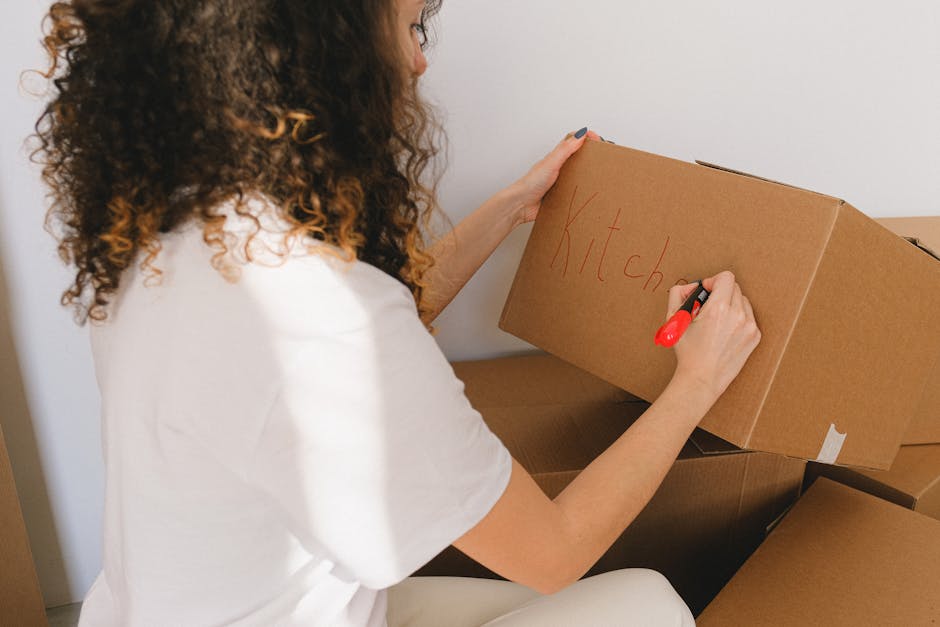
Why DIY moving myths often lead to damaged belongings
DIY moving sounds straightforward until you are halfway down the stairs with a wobbly wardrobe, a box that feels oddly heavy, and that sinking feeling that maybe this was not such a brilliant plan after all. The truth is, many of the most common DIY moving myths often lead to damaged belongings because they encourage people to underestimate weight, distance, packing time, lifting technique, and transport risk. A move is never just about getting things from A to B. It is about keeping fragile, awkward, and valuable items safe through every tiny stage in between.
If you are planning a home move, helping a relative shift flats, or weighing up whether to hire a van and do the job yourself, this guide breaks down what actually causes damage, why the myths persist, and what you can do differently. We will also cover practical steps, a useful checklist, and a clear comparison of DIY and professional support so you can make a calmer decision. To be fair, moving day already asks enough of you without adding avoidable breakages into the mix.
Why this matters
Damaged belongings are not just an inconvenience. They can turn a moving budget upside down, create stress that lingers for weeks, and make an already tiring day feel much worse. A scratched table might be annoying. A cracked television, broken glassware set, or dented appliance is something else entirely. And once an item is damaged, the problem usually becomes more expensive, more emotional, and more time-consuming than it looked at first glance.
The myths around DIY moving tend to sound harmless. "It is only a short distance." "We can fit everything in one van." "If we wrap it in blankets, it will be fine." "Friends can just help lift." Those lines sound practical until the first corner, the first doorway, or the first unexpected rain shower. Then the reality shows up. Cardboard compresses. Unsecured items slide. Furniture legs take the brunt. Glass chips. Paint scratches. Cushions slip. Even a small bump in the road can turn into a proper mess if items are not packed and loaded correctly.
What makes this issue so important is that moving damage is often preventable. In many cases, the thing that fails is not the item itself, but the plan around it. The wrong box size, poor stacking, rushed labelling, lifting without enough hands, or choosing a vehicle that is too small can create a chain reaction. One small mistake can affect several belongings at once. Bit annoying, really, because the damage is often completely avoidable.
Expert summary: DIY moving myths usually fail because they focus on the journey itself and ignore the handling, packing, and loading steps where most damage actually happens.
If your move includes bulky furniture, staircases, fragile household items, or valuable electronics, the risk rises quickly. This is why services such as home moves, house removalists, or a man and van option can be worth considering when you want the move done with fewer surprises.
Table of Contents
- Why this matters
- How the damage happens
- Key Benefits and Practical Advantages
- Who this advice is for and when it makes sense
- Step-by-step guidance
- Expert tips for better results
- Common mistakes to avoid
- Tools, resources and recommendations
- Law, compliance and best practice
- Options, methods, or comparison table
- Case study or real-world example
- Practical checklist
- Conclusion
- Frequently Asked Questions
How the damage happens
Most damage during a DIY move does not happen in one dramatic moment. It builds up in stages. A box packed too tightly gets crushed when stacked. A mirror wrapped in a single layer of bubble wrap shifts inside the van. A chest of drawers is dragged instead of lifted, leaving scuffs along the floor and gouges on the legs. By the time you reach the destination, the damage may already have happened several times over.
Here is the simple pattern: the more a move relies on improvisation, the more likely belongings are to be exposed to friction, pressure, movement, and impact. People often assume that the biggest risk is the drive itself. In reality, the highest risk usually comes from the packing area, the hallway, the stairs, the loading process, and the unloading point. A van journey of twenty minutes can be less risky than a badly organised thirty minutes at the front door.
Another common issue is mismatch. DIY movers sometimes use whatever boxes they can find, regardless of size or strength. That sounds economical, but it creates odd weight distribution. Heavy books in flimsy boxes? Painful. Soft items on the bottom with heavy pans on top? Also painful. A lampshade stuffed into a random sack? You can probably guess how that ends. The container needs to suit the item, not the other way around.
Then there is the myth of control. People assume that because they are handling their own things, they will be more careful than any hired help. Care matters, of course. But care alone does not replace moving experience, proper equipment, or a vehicle that can secure cargo properly. Moving is physical work, and physical work has rules. If you bend them, belongings pay the price.
Professional packing support can make a real difference here, which is why many people choose packing and unpacking services when the move includes delicate or high-value items. It is not about being fancy. It is about removing the weak points that lead to breakage.
Key Benefits and Practical Advantages
Once you move past the myths, you start to see the real benefits of a better-planned move. First, there is the obvious one: fewer damaged belongings. But there is more to it than that. Good packing and loading also saves time, reduces stress, and makes the whole day feel less chaotic. And let's face it, moving day already has enough noise, dust, tape, and half-finished tea mugs lying around.
When items are packed with the right materials and loaded in the right order, the move becomes steadier and more predictable. Boxes stay upright. Fragile items are cushioned properly. Furniture is protected from scratches. Nothing has to be "just shoved in" at the end because the van is filling up too quickly. That alone can transform the day.
There is also a practical financial benefit. Damaged belongings are often more expensive than people expect because repairs, replacements, and time lost can add up. A cheap DIY move that results in a broken mattress frame, cracked monitor, or smashed dishes may not feel cheap for long. By contrast, spending a little more on the right vehicle, the right packing method, or the right help can reduce hidden costs.
Another advantage is emotional. Some items are not just stuff. They might be family furniture, work equipment, keepsakes, or pieces collected over years. When people move without proper preparation, those items are the ones most likely to suffer. A more careful approach helps preserve not only the item, but the memory attached to it. That sounds soft, but it matters.
If your move involves larger loads, a suitable vehicle matters too. Options such as moving truck support or removal truck hire can help reduce stacking issues and make the loading process much safer than trying to cram things into a small van. Sometimes the simplest choice is the one that protects your belongings best.
Who this advice is for and when it makes sense
This guide is for anyone who thinks a DIY move will automatically be cheaper, easier, or safer than it really is. That includes first-time movers, renters changing flats, homeowners shifting into a new place, students with furniture and electronics, and anyone helping a parent, partner, or friend move house. It also applies to small businesses and home offices, because the same myths cause problems in commercial settings too.
You may benefit from a DIY move if you are relocating a small number of items, have sturdy packing materials, access to the right vehicle, and enough help to lift and carry safely. Even then, the move still needs planning. If you are moving a few light pieces of furniture, a short local trip, or a one-off item, the process may be manageable with the right approach. But when the list starts growing, the risks grow as well. Funny how that happens.
Professional help becomes especially sensible when the move includes stairs, awkward furniture, fragile glass, appliances, long carry distances, or valuable items. It is also worth thinking twice if you are on a tight timescale. A rushed DIY move is exactly where damage tends to creep in. You start off carefully, then the clock starts shouting at you, and suddenly the "we'll be fine" energy evaporates.
Businesses often face another layer of risk. An office move can involve monitors, printers, filing systems, delicate electronics, and important records. In that setting, a structured approach matters even more, which is why commercial moves and office relocation services are often a better fit than ad hoc lifting and loading. A home move and an office move are not the same thing, even if both involve boxes and tired people.
Step-by-step guidance
Here is a practical way to reduce damage risk, whether you are doing the move yourself or booking support for part of it.
- Sort items by fragility and weight. Put heavy, durable items in one group and fragile items in another. This sounds basic, but it stops the most common packing mistakes before they start.
- Choose the right boxes and containers. Use strong boxes for books and kitchenware. Use smaller boxes for heavy items. Do not overload one large box just because it looks spacious.
- Wrap delicate items properly. Glass, ceramics, screens, and decorative pieces need cushioning all around, not just a token layer on top.
- Disassemble bulky furniture where possible. Remove table legs, shelves, and loose parts. Keep screws and fittings bagged and labelled. Tiny step, huge benefit.
- Protect surfaces and corners. Use blankets, covers, or padding on furniture edges, doors, and drawers so movement inside the vehicle does not create scratches.
- Load in a sensible order. Put heavier, stable items at the bottom and against the walls of the vehicle. Keep fragile items upright and secure them so they cannot slide.
- Leave enough time for unloading. Rushing at the end is where items get dropped, knocked, or packed carelessly because everyone is knackered.
- Check each room before you leave. A final walk-through helps catch forgotten boxes, dangling cables, or items leaning where they should not be.
One small but useful habit: pack room by room and label each box clearly on more than one side. When people cannot see labels, they guess. Guessing is not great for delicate belongings.
If you are moving a sofa, wardrobe, or other bulky piece, it can help to use the right kind of load support rather than forcing everything by hand. A man with van arrangement can be a sensible middle ground for smaller moves, while a larger vehicle may suit heavier loads better. The point is not the label. The point is matching the service to the job.
Expert tips for better results
Here are the sorts of details that often separate a smooth move from a slightly chaotic one.
1. Pack for movement, not just storage. A box that looks tidy in the hallway may fail once the van turns a corner. Belongings need room to flex a little, but not enough to knock against each other. The inside of a vehicle is not a cupboard.
2. Use soft items strategically. Towels, blankets, and bedding can protect sturdy items, but they are not a cure-all. Soft items work best as cushioning, not as the only layer of protection. Be honest about whether they are enough.
3. Keep valuables with you if possible. Passports, jewellery, keys, important papers, and small electronics are often better kept separate. That reduces the risk of them getting mixed into a large load and forgotten.
4. Watch the weather. In the UK, a dry morning can turn damp by lunchtime. Rain, drizzle, and muddy paths all increase the chance of slips and water damage. Plastic tubs, ground sheets, and protective covers can make a big difference.
5. Test the route. Check stair width, doorway clearance, parking access, and turning space in advance. Many items are damaged not because they are fragile, but because they are forced through a space that is too tight. You can almost hear the scrape before it happens.
6. Don't rely on "careful enough." Care is good. Process is better. A careful mover with no plan still takes risks. A tidy plan with a few careful hands is usually far safer.
For people who want practical support without overcomplicating the day, checking pricing and quotes early can help you compare what makes sense before the move becomes urgent. A calm decision made on Tuesday is usually better than a panicked one made on Friday evening.
Common mistakes to avoid
Most DIY moving damage comes from a short list of repeated mistakes. The annoying part is that they often feel harmless while you are doing them.
- Using oversized boxes for heavy items. Books in a large box can become almost impossible to carry safely.
- Skipping proper wrapping. A blanket tucked loosely around a mirror is not the same as secure padding.
- Underestimating furniture weight. Some pieces look lighter than they are. Then you lift them and instantly regret your confidence.
- Stacking fragile items underneath heavier loads. Pressure damage often shows up hours later when unpacking.
- Leaving drawers full. It seems efficient, but it often creates instability, extra weight, and broken runners.
- Forgetting to secure items in transit. Movement inside the van is a major cause of scuffs and chips.
- Rushing the final hour. That last hour is where people drop boxes, miss labels, and lose track of soft furnishings.
One more mistake deserves special mention: assuming that a friend who "helped move before" automatically knows how to load a vehicle properly. Helping before and knowing how to handle a move safely are not the same thing. Slight difference. Big consequences.
Tools, resources and recommendations
You do not need a warehouse full of equipment to reduce damage, but a few practical tools help a lot. Strong double-walled boxes, packing paper, bubble wrap, furniture blankets, packing tape, labels, tie-down straps, and a trolley or sack truck can all make moving safer and less tiring. If you have stairs, a pair of gloves with good grip is also useful. Not glamorous, but helpful.
For bigger loads or furniture deliveries, services like furniture pick up can be handy when you need something collected and moved without squeezing it into the back of a car. That is especially useful for bulky purchases or single-item transport where damage risk rises if the item is awkwardly carried.
Another good habit is to keep a simple moving inventory. It does not need to be fancy. A note on your phone is enough. Write down the fragile items, furniture that needs dismantling, and anything that cannot be stacked. When the day gets busy, that list becomes a quiet lifesaver.
If you are comparing vehicles, think beyond size alone. The right choice depends on item volume, weight, and how the load will be secured. A vehicle that fits everything in theory may still be a poor fit if it forces stacking that is too high or too loose. This is where the difference between man and van, moving truck, and removal truck hire becomes practical rather than just semantic.
Law, compliance and best practice
For most household moves, there is no special law that says you must hire a professional remover. But there are still sensible duties and norms to think about. If you are moving on your own, you are responsible for handling items safely, securing loads properly, and avoiding preventable damage or injury. That matters whether you are moving across town or just down the road.
In the UK, good moving practice usually means using a vehicle that is suitable for the load, making sure items are restrained so they do not move in transit, and not overloading boxes or lifting in a way that risks injury. If you are moving through shared spaces such as flats, managed buildings, or office premises, it is also wise to check building rules, access arrangements, and any booking requirements in advance. That avoids awkward moments with lifts, parking, or loading bays.
Insurance is another point people often leave too late. If items are damaged during a DIY move, cover may be limited depending on your own arrangements and the circumstances involved. You should always read terms carefully and ask questions before moving day. If you are using a service provider, it is sensible to check what is covered and what is not. The details matter.
For peace of mind around risk and responsibility, some readers also like to review a company's insurance and safety information, along with broader policies such as health and safety and terms and conditions. That is not glamorous reading, granted, but it gives you a clearer picture of expectations before anything is loaded.
Options, methods, or comparison table
Choosing between DIY and professional support usually comes down to how much risk you are willing to manage yourself. Here is a simple comparison to make that clearer.
| Approach | Best for | Main advantage | Main risk |
|---|---|---|---|
| Full DIY move | Small loads, short distances, low-value items | Lowest upfront spend | Higher chance of damage if packing or loading is poor |
| DIY with hired vehicle | Medium loads, local moves, organised movers | More control while improving capacity | Still depends heavily on packing skill and secure loading |
| Partial professional help | Fragile items, heavy furniture, busy households | Reduces the most difficult parts of the move | Costs more than doing everything yourself |
| Full removals support | Larger homes, offices, awkward access, high-value contents | Least stress and usually fewer handling errors | Requires advance booking and a bigger budget |
The best option is not always the cheapest on paper. It is the one that gives your belongings the best chance of arriving intact and your day the best chance of staying manageable. That is the real test. Not theory. Not optimism. Reality.
Case study or real-world example
Here is a common real-world scenario. A couple moves from a two-bedroom flat and decides to save money by doing everything themselves. They collect boxes from various places, pack late into the night, and assume the van they hired will handle everything if they stack carefully. At first, it seems fine. Then the wardrobe door catches on a stairwell, one box of kitchenware is overloaded, and a mirror is placed flat on top of mixed furniture. By the end of the move, there are scratches on a bedside table, a chipped frame, and several items that need re-packing because they were stored in the wrong order.
What went wrong? Not bad luck. A few ordinary myths did most of the damage. The couple thought the move was simple because it was local. They assumed padding was enough without proper securing. They underestimated the time needed for packing. And they treated vehicle space as the main issue, when the bigger issue was handling. That is the pattern again and again.
Now compare that with a more structured approach: boxes labelled by room, fragile items packed separately, furniture partly dismantled, straps used inside the vehicle, and heavier pieces loaded first. Same move, very different outcome. The difference is rarely magic. It is process.
If you are moving a particularly awkward item or want help at the point where things become heavy and unwieldy, a service like man and van can offer a sensible balance between support and flexibility. Sometimes that is all people need to avoid the "why did we try to carry this ourselves?" moment.
Practical checklist
Use this checklist before moving day. It is simple, but it catches a lot.
- Sort items by fragile, heavy, and awkward to carry.
- Use strong boxes that suit the weight of the contents.
- Wrap fragile pieces individually.
- Label boxes clearly on multiple sides.
- Disassemble bulky furniture where safe to do so.
- Keep screws, fittings, and small parts in marked bags.
- Protect corners, glass, and polished surfaces.
- Plan where each item will go in the vehicle.
- Secure the load so nothing can slide during transit.
- Check access, parking, stairs, and lift arrangements in advance.
- Keep essentials and valuables separate.
- Leave extra time for unloading and final checks.
One small habit that helps a lot: take a quick photo of how cable setups, shelves, or fitted items look before dismantling them. It saves time later, especially when you are tired and everything looks vaguely the same. Beige box, beige wall, beige headache.
Conclusion
DIY moving myths often lead to damaged belongings because they encourage guesswork where precision is needed. The move feels simple right up until the moment an item is dropped, crushed, scraped, or packed in a way that does not suit its shape or weight. Once you understand where damage really happens, the fix becomes much clearer: better packing, safer lifting, sensible vehicle choice, and more realistic planning.
The good news is that you do not need to turn moving day into a military operation. You just need enough structure to protect the things you care about. Whether you are moving a flat, a family home, or a small office, careful decisions made early tend to save time, money, and frustration later. And honestly, that is usually the part people appreciate most after the dust settles.
If you are comparing your options and want a clearer idea of what support makes sense for your move, take a look at the relevant service information and plan from there. A little preparation now can spare you a lot of regret later.
Get a free quote today and see how much you can save.
Frequently Asked Questions
Why do DIY moving myths lead to damaged belongings so often?
Because they make moving sound easier than it is. Most damage happens during packing, lifting, stacking, and securing items, not just during transport. If those steps are rushed or guessed, belongings are far more likely to break or get scratched.
What is the biggest mistake people make on a DIY move?
Overloading boxes and underestimating weight. A box that seems manageable when packed can become unsafe very quickly once it is lifted, carried upstairs, or stacked inside a van.
Are short-distance DIY moves safer?
Not automatically. A short trip may reduce travel time, but it does not remove risks from stairs, door frames, tight parking, bad packing, or poor load securing.
Does wrapping items in blankets prevent damage?
It helps, but only if the item is wrapped securely and placed safely. A blanket alone is not enough if the item can slide, tip, or be crushed by heavier objects.
Is hiring a van enough to avoid damage?
No. A suitable van helps, but packing method and loading order matter just as much. Even a good vehicle will not protect items if the load is loose or badly balanced.
When should I stop doing the move myself and get help?
If you have heavy furniture, fragile belongings, awkward access, limited time, or more boxes than expected, it is worth getting help. Once the move starts feeling rushed, the risk of damage goes up fast.
What items are most likely to get damaged in a DIY move?
Glassware, mirrors, screens, lamps, furniture corners, appliances, framed artwork, and anything with loose parts. These items need extra care because they are sensitive to pressure and movement.
How can I protect furniture during a house move?
Disassemble what you can, pad edges and corners, protect surfaces with blankets or covers, and secure pieces so they cannot shift in transit. Taking doors or legs off where appropriate can make a big difference.
Are professional packing services worth it?
Often, yes, especially for fragile or high-value items. They are useful when you want to reduce the most common packing errors without handing over the entire move.
Can DIY moving damage affect insurance claims?
It can, depending on the situation and the cover involved. Insurance terms vary, so it is wise to check what is covered before moving day rather than after something has already gone wrong.
What is the safest way to load a van?
Start with the heaviest stable items, place them against the walls, keep fragile items upright, and secure everything so it cannot shift. The aim is to stop movement, not just fit everything inside.
How do I know if I need a moving truck instead of a smaller vehicle?
If your items would need to be stacked too tightly or too high in a smaller vehicle, a larger one is usually safer. The right size is the one that lets you load securely without forcing awkward compromises.
What should I do if I am moving offices rather than a house?
Use the same principles, but be even more organised. Electronics, documents, and work equipment often need clearer labelling and safer handling. Services designed for office relocation services or commercial moves can reduce disruption and damage risk.
Where can I get help with planning the right move?
Start by reviewing the service pages, checking safety and insurance information, and comparing options that match your load size and access needs. A clear plan is usually the difference between a smooth move and a day full of avoidable repairs.