Why hiring a licensed UK removals company protects your move
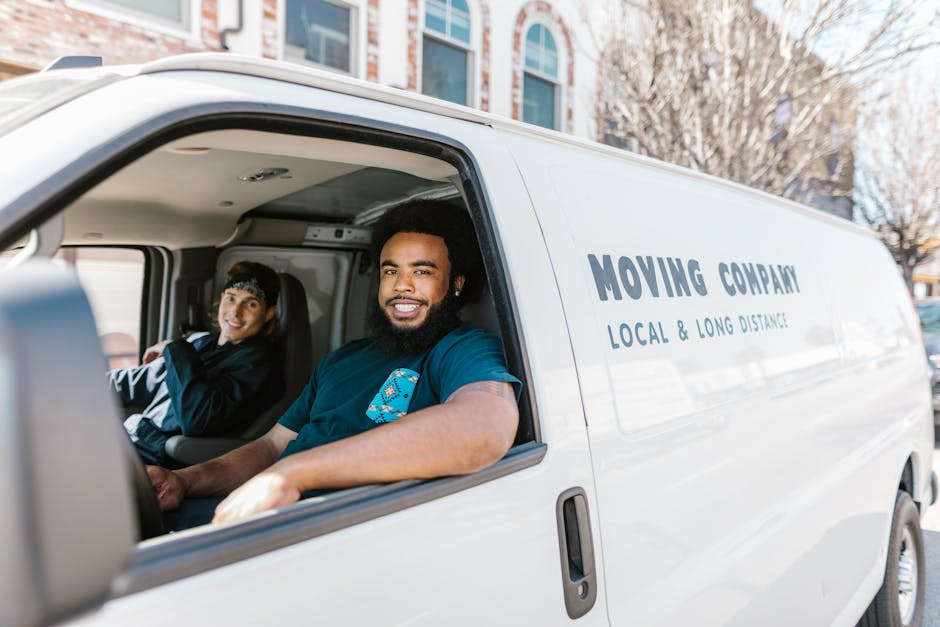
If you are planning a house move, it can be tempting to focus on price first and everything else later. Fair enough - moving is expensive enough already. But the truth is that why hiring a licensed UK removals company protects your move matters far more than most people realise. The right removals team does more than carry boxes. It helps protect your belongings, your building, your timetable, and your peace of mind when the day gets noisy, messy, and slightly chaotic.
In our experience, the biggest problems during a move rarely come from the obvious things. It is the awkward stairwell, the item that needs special handling, the parking issue no one flagged, or the insurance assumption that turns out to be wrong. This guide explains how licensed removals firms reduce those risks, what to check before you book, and how to choose a company with confidence. If you want a move that feels controlled rather than improvised, you are in the right place.
- Why hiring a licensed UK removals company matters
- How the protection actually works
- Key benefits and practical advantages
- Who needs it most
- Step-by-step guidance
- Expert tips for a smoother move
- Common mistakes to avoid
- Tools, resources and recommendations
- Law, compliance and best practice
- Options and comparison table
- Real-world example
- Practical checklist
- Conclusion
- Frequently asked questions
Why Why hiring a licensed UK removals company protects your move Matters
Let's start with the simple version: a licensed removals company is set up to move your things properly, lawfully, and with the right controls in place. That sounds obvious, but a lot can go wrong when someone who is not properly equipped, insured, or organised takes on a home move. One cracked vase is annoying. A damaged sofa, delayed keys, or a building complaint can turn the whole day sour.
When people search for removals help, they are often asking an unspoken question: how do I avoid the kind of moving disaster everyone warns me about? A licensed company helps by reducing uncertainty. It gives you a business you can assess, a process you can question, and a trail of accountability if something goes wrong. That matters whether you are moving from a flat in London, a family house in the suburbs, or relocating a small office across town.
It also matters because moving is not just about lifting. It is about timing, access, packing method, vehicle choice, loading order, protection for floors and bannisters, and the handling of things that do not like being bumped around. A licensed team should understand those details as standard, not as an afterthought.
Another reason this matters is simple trust. If someone is entering your home, handling your possessions, and operating around a narrow hallway at 7:30 in the morning, you want to know they run a proper business. Not a casual arrangement. Not a vague favour from a mate with a van. That kind of setup can work sometimes, but it often leaves you carrying the risk yourself.
Key takeaway: hiring a licensed UK removals company protects your move by bringing structure, accountability, and proper handling into a process that is otherwise full of easy-to-miss risks.
How Why hiring a licensed UK removals company protects your move Works
The protection comes from a mix of planning, documentation, equipment, and responsibility. A good removals company does not just turn up and hope for the best. It assesses what needs moving, how the property is accessed, what needs packing, and whether any items need extra care. That might include tight staircases, parking restrictions, narrow roads, heavy furniture, or fragile belongings like mirrors and electronics.
Here is what usually happens when the process is done properly:
- Initial assessment: The company asks about property size, access, item volume, parking, and any awkward or delicate pieces.
- Quotation: You receive a price based on the job rather than guesswork, so you can compare options more clearly.
- Planning: The team schedules the move, organises the vehicle, and decides whether packing support, dismantling, or specialist handling is needed.
- Protection measures: They use moving blankets, straps, dollies, wraps, and floor protection where needed.
- Loading and transport: Items are packed in a way that reduces shifting, impact, and crushing during transit.
- Delivery and placement: The company places items where they belong, which sounds small until you are staring at six identical boxes in the wrong room.
A licensed company should also be clear about its policies around insurance, claims, cancellations, and payment. That clarity protects you because it removes the fuzzy bits. And fuzzy bits are where disputes often begin. Truth be told, no one wants to argue about a scratched wardrobe after a long day and a takeaway dinner that has already gone cold.
In a practical sense, the license, registration, and business documentation all help create a traceable service. That does not magically prevent every issue, of course. But it means the business has something to lose if it lets standards slip, which is not a bad thing when your belongings are in play.
Key Benefits and Practical Advantages
The benefits go well beyond basic convenience. Yes, moving is easier when someone else does the heavy lifting. But the real value is in the risk reduction that comes with a properly run removals service.
1. Better protection for your belongings
A licensed removals company is more likely to use suitable packing materials, safe lifting methods, and proper loading systems. That can reduce chips, dents, torn fabric, and the sort of damage that only shows up when you are unpacking at 9 p.m. with one lamp still wrapped in tape.
2. Lower risk of property damage
Door frames, banisters, floors, lifts, and walls are all at risk during a move. Good removals teams understand how to protect surfaces and navigate tight spaces without scraping the paintwork or leaving muddy marks. If you have ever seen a sofa taking a dramatic corner at the top of the stairs, you already know why this matters.
3. Clearer accountability
When you hire a licensed business, you are dealing with a company rather than an informal arrangement. That means clearer contact details, better records, and a route for complaints if something needs to be resolved. It sounds dry, but it is actually reassuring.
4. Less stress on moving day
People underestimate the emotional side of moving. There is the pressure of the keys, the parking, the weather, the packing half-finished the night before. Having a competent team on site takes a huge amount of pressure away. You will notice the difference straight away.
5. Time savings that genuinely matter
A professional removals team usually works faster and more efficiently than an unstructured DIY move. That is not just about speed for speed's sake. It can help you hand over a property on time, keep neighbours happy, and avoid that awful point where everyone is tired, hungry, and suddenly grumpy.
6. Better handling of awkward or specialist items
Pianos, antique furniture, glass tables, large mattresses, and bulky office kit need more than enthusiasm. They need technique. If you are comparing options, a service like packing and unpacking support can make a noticeable difference when fragile items or a large household are involved.
| What matters | Licensed removals company | Unlicensed or informal option |
|---|---|---|
| Planning | Structured survey and move plan | Often based on rough assumptions |
| Belongings protection | Proper packing and handling methods | Varies widely, sometimes improvised |
| Accountability | Clear business identity and policies | Harder to challenge or trace issues |
| Insurance clarity | Usually documented and explained | Often unclear or limited |
| Access problems | Handled through preparation | May be discovered too late |
| Stress level | Usually lower | Often higher |
Who This Is For and When It Makes Sense
This kind of service is useful for almost anyone moving home, but it is especially valuable in situations where the cost of mistakes is higher than usual. If your move includes fragile furniture, limited access, a tight schedule, or a property full of things you cannot simply replace, then hiring a licensed team starts to make very good sense.
It is also a smart choice if you are moving with children, working around school runs, or trying to coordinate completion times and handovers. When life is already busy, a well-organised removals company can prevent the move from taking over the entire week.
Here are some situations where it is particularly worth it:
- You are moving from or into a flat with stairs, lifts, or restricted access.
- You have heavy, awkward, or valuable items.
- You need help packing because time is short.
- You are moving long distance and need reliable transport timing.
- You want a company with a proper complaints process and service policies.
- You are managing a home move and a job move at the same time. Not fun, but common.
For larger or more complex moves, commercial expertise can also help. If you are relocating work premises, you may want to look at commercial moves or office relocation services rather than treating it like a standard domestic job. Office furniture, files, IT equipment, and downtime all change the risk picture.
For smaller moves, a flexible option such as man and van or man with van can still be useful, as long as the service is properly insured, clearly priced, and suited to the job. The key point is not size. It is competence.
Step-by-Step Guidance
If you want the move to feel protected rather than improvised, here is a practical approach that works well.
- List everything that needs moving. Include furniture, boxes, specialist items, and anything that needs dismantling.
- Check access at both properties. Measure doorways, note floor levels, and think about parking. A van can be fine on paper and awkward in real life.
- Ask whether the company is licensed and insured. Do not assume. Ask directly and read the wording carefully.
- Request a written quote. That should ideally explain what is included, what is excluded, and whether extra labour or waiting time could apply.
- Talk through fragile items early. Mirrors, TVs, artwork, and glass furniture need extra attention.
- Prepare a moving-day essentials bag. Kettle, chargers, documents, snacks, pet supplies, medication, and a change of clothes. It sounds basic. It is still brilliant.
- Label boxes clearly. Room names help, but content notes help even more when you are tired.
- Confirm timing and contact details. On move day, a five-minute delay in communication can feel like an hour.
If you are not sure how to organise the packing side, a helpful next step is reading practical guides like create a room-by-room inventory for a smoother move or the essential UK removals checklist for stress-free moving. Those details sound small, but they reduce the classic last-minute scramble.
Expert Tips for Better Results
A licensed removals company protects your move best when you help the process along. Not by micromanaging. Just by giving the team the information they need before the van arrives and the hallway starts filling with boxes.
Be honest about access
If there is no parking outside, say so. If the lift is tiny, say so. If the back gate sticks and needs a shoulder to open, absolutely mention it. It is better to deal with that during planning than during loading, when everyone has already committed to the job.
Choose quality packing over rushed packing
Poor packing can undo all the benefits of a professional move. For fragile items, structured packing methods or sturdy crates may help. If you want to understand the approach better, see modular packing crates for fragile moves.
Protect high-risk items separately
Think about anything that would be genuinely awkward to replace. Documents, jewellery, medication, laptop chargers, keys, and sentimental items should travel separately or be kept very clearly identified. People always say they remember the important box. Then somehow it ends up in the wrong room. Happens all the time.
Ask about floor and furniture protection
Good removals teams often use coverings for stairs and floors, especially in wet weather or on older properties. If your building has polished wood, communal hallways, or tight turns, this is worth asking about. It is one of those details that quietly saves everyone hassle.
Use timing to your advantage
Morning starts usually give you more breathing room if the move runs long. If you have a chain, a school run, or building access windows, build in a little slack. The extra hour can feel like a luxury when the day gets busy.
Common Mistakes to Avoid
Most moving headaches are preventable. A few are simply the result of underestimating how much can go wrong in a single day. Here are the big ones to watch out for.
- Choosing only on price: A very cheap quote can hide weak insurance, poor equipment, or rushed handling.
- Not checking credentials: If you never ask about licensing, insurance, or company details, you are taking a gamble.
- Ignoring access issues: The van might be fine. The staircase might not be.
- Poor packing: Loose items, overfilled boxes, and badly wrapped furniture can cause damage very quickly.
- Leaving everything until the night before: It sounds dramatic, but this is how people end up searching for bin bags at 11 p.m.
- Forgetting parking or permits: In some areas, especially busier urban streets, parking is a real part of the move plan.
- Not reading the service terms: Cancellation policies, waiting charges, and claims handling matter more than many people expect.
One mistake people make all the time is assuming the words "licensed" and "insured" mean the same thing. They do not. Licensing or formal business registration is about legitimacy and structure; insurance is about financial protection if something goes wrong. You want both, ideally. Not one or the other.
Tools, Resources and Recommendations
You do not need a mountain of tools to move well, but a few practical resources make the process much easier. The idea is to reduce friction, not create a command centre in your kitchen.
- Room-by-room inventory: Helps you keep track of what is packed, what is fragile, and what should arrive first.
- Labeling system: Use room names and short contents notes. Simple, readable, and surprisingly effective.
- Protective materials: Tape, wrapping, blankets, and sturdy boxes are worth spending on.
- Time plan: Build a rough order for packing, disassembly, loading, and key handover.
- Move-day essentials kit: Keep toiletries, chargers, kettle items, snacks, and paperwork together.
If you are still comparing service styles, the following pages can help you understand what different options are designed for: home moves, house removalists, and moving truck. For separate transport needs, there is also removal truck hire and furniture pick-up.
If you want background on how the business approaches service quality and customer care, it can also help to review about us, insurance and safety, and health and safety policy. Those pages are useful because they show how a company thinks, not just what it says on a quote.
Law, Compliance, Standards, or Best Practice
In the UK removals sector, the most important compliance questions usually come down to business legitimacy, vehicle use, insurance, staff safety, and how customer property is handled. There is not one single rulebook that covers every move in the same way, so buyers need to ask sensible questions and read the answers carefully.
Best practice usually includes:
- clear business identity and contact details
- written quotes and service terms
- transparent insurance information
- safe loading and lifting practices
- appropriate vehicle maintenance and load securing
- basic customer complaints handling
- responsible disposal and recycling practices where packing waste is involved
It is also wise to ask how the company handles payment and security, especially if you are paying a deposit or booking in advance. If something is unclear, request it in writing. That is not being difficult. That is being sensible.
For many customers, the practical reassurance comes from policies and procedures that are easy to review. Pages like payment and security, complaints procedure, and terms and conditions help show whether a company takes accountability seriously.
If sustainability matters to you, it is also worth understanding how packaging waste and reusable materials are handled. A responsible mover should be able to explain that side clearly, even if it is just a small part of the job. See recycling and sustainability for a sense of that broader approach.
Options, Methods, or Comparison Table
There are a few ways people try to move. Some are fine for simple jobs, while others are better when the risk level climbs. Here is a quick comparison.
| Option | Best for | Main strength | Main drawback |
|---|---|---|---|
| Licensed removals company | Most home and office moves | Protection, accountability, proper handling | Usually costs more than casual help |
| Man and van | Smaller moves, single rooms, furniture runs | Flexible and often efficient | May not suit complex or high-value jobs |
| DIY van hire | Very simple moves with low item volume | Control over schedule | Higher physical effort and more risk of damage |
| Friend with a van | Rare, informal, low-stakes jobs | Cheap on the surface | Little accountability if something goes wrong |
If you are deciding between DIY and professional help, a useful read is DIY vs pro removals: real cost, time and risk comparison. It is one of those topics where the cheapest option can become expensive quickly once time, damage, fuel, and stress are counted properly.
Case Study or Real-World Example
Here is a realistic example from a typical UK move. A family is moving from a two-bedroom flat into a terraced house. On paper, it looks straightforward. A few boxes, a sofa, beds, kitchen items, done. But then the details appear: second-floor access, no lift, a narrow entrance hall, and a parking bay that is shared with neighbouring properties.
A licensed removals company would usually spot the risk early, ask the right questions, and plan the job accordingly. That might mean sending the right size vehicle, bringing additional protection for bannisters and floors, and advising on which items should be dismantled first. If there is a large wardrobe, the team may suggest taking doors off hinges or breaking it down before moving day.
Now imagine the same move handled informally. The van arrives, the parking space is tighter than expected, the hallway is too narrow for a straight lift, and everyone is trying to solve the problem on the spot. Maybe it still works. Maybe not. But the risk has already climbed, and the stress is obvious. You can almost hear the second cup of tea going cold on the counter.
The difference is not just technique. It is anticipation. A licensed company usually builds the move around likely problems before they become moving-day drama. That alone can be worth a great deal.
Practical Checklist
Use this checklist before you book and again in the final days before the move.
- Have you confirmed the company's full business details?
- Have you checked whether insurance cover is explained clearly?
- Do you know exactly what is included in the quote?
- Have you listed fragile, bulky, or high-value items?
- Have you checked access at both addresses?
- Have you arranged parking or permits if needed?
- Have you confirmed the moving date, arrival window, and contact number?
- Have you separated essential items for easy access?
- Have you labelled boxes by room and priority?
- Have you read the service terms, payment terms, and complaints procedure?
If any of those are still unanswered, pause and sort them out. It is much easier now than when the front door is open, the kettle is packed, and the sofa is halfway out.
Quick expert summary: A licensed UK removals company protects your move by planning properly, handling items carefully, improving accountability, and reducing the hidden risks that come with access, timing, and transport. That protection shows up most clearly when the move gets a bit complicated - which, let's face it, is most moves.
Conclusion
Why hiring a licensed UK removals company protects your move comes down to one simple idea: you are not just paying for transport, you are paying for control. Control over handling, timing, communication, and accountability. That is what keeps a moving day from becoming a day of avoidable damage and last-minute panic.
Whether you are moving a small flat, a family home, or a business premises, the right removals team helps turn a risky, physically demanding process into something much more manageable. And in a move, manageable is a lovely word. It means fewer surprises, fewer scrapes, and fewer stories you never wanted to tell again.
If you are comparing services now, take the time to ask clear questions, review the details, and choose a company that treats your move like something worth protecting. It really does make a difference, and usually more than people expect.
Get a free quote today and see how much you can save.
Frequently Asked Questions
What does a licensed UK removals company actually do?
A licensed UK removals company helps plan, pack, load, transport, and deliver your belongings in a structured and accountable way. The key benefit is that you are dealing with a real business that should have proper processes, insurance information, and service terms.
Is hiring a licensed removals company worth it for a small move?
Yes, especially if the move involves stairs, fragile items, or time pressure. Even small moves can go wrong if access is awkward or items are not packed well. A professional team can save time and reduce the chance of damage.
How do I know if a removals company is properly licensed?
Ask for full business details, written terms, and insurance information. A legitimate company should be able to explain its services clearly without hesitation. If the answer feels vague, that is usually a warning sign.
Does a licensed removals company mean my items are fully insured?
Not automatically. Licensing and insurance are different things. You should always ask what cover is included, what exclusions apply, and how claims are handled. Never assume your belongings are protected just because the company looks professional.
What risks does a licensed removals company help reduce?
It helps reduce damage to belongings, damage to floors or walls, delays, poor lifting practices, and misunderstandings about the service. It also gives you a clearer route for resolving problems if something does go wrong.
Are man and van services safer than DIY moving?
Usually yes, if the service is properly run and suited to the job. A man and van can be a sensible middle ground for smaller moves. The important bit is checking insurance, pricing, and whether the service matches your needs.
What should I ask before booking a removals company?
Ask about insurance, access requirements, pricing, packing support, timing, and what happens if the move runs over. It is also sensible to ask about complaints handling and payment terms. A good company will answer without making you feel awkward.
How early should I book a licensed removals company?
As early as you can, especially if you are moving at a busy time of year or on a Friday or weekend. Early booking gives you more choice, better planning, and less last-minute stress. A bit of lead time helps more than people think.
Can a removals company help with packing as well as transport?
Yes, many can. Packing support can be especially helpful for fragile items, busy households, or people who are short on time. If you want to reduce risk, professional packing can be a very smart add-on.
What if my move has access problems like narrow stairs or no parking?
Tell the removals company as early as possible. Access problems are common and can usually be planned for, but only if they are known in advance. Surprises on the day are what make moves awkward.
Why do some removals quotes vary so much?
Quotes can vary because of labour needs, distance, volume, access difficulty, packing support, and timing. If one quote is far lower than the rest, check what has been left out. Cheap can be fine, but only when it is genuinely complete.
Should I use a licensed removals company for office moves too?
Yes, often even more so. Office moves can involve equipment, files, furniture, and downtime, so organisation matters a lot. A professional team can help reduce disruption and protect business continuity.