Why pros use protective skirting and stair runners on jobs
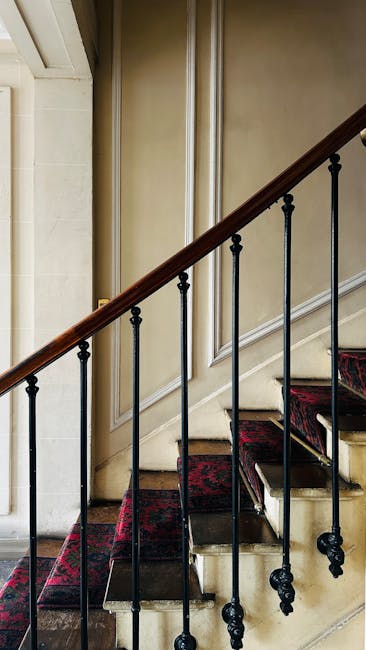
If you have ever watched a good removals crew or fit-out team work, you will notice something before the big lifting starts: the protection goes down first. Protective skirting and stair runners may not look glamorous, but they are the sort of detail that separates a tidy, professional job from a stressful one. In practice, they help shield walls, banisters, corners, and stair treads from scuffs, knocks, grit, and the kind of wear that happens when people, boxes, and furniture move through a property all day.
That matters on house moves, office relocations, furniture collections, and commercial jobs alike. It matters to the client, because repairs are expensive and annoying. It matters to the crew, because a safer route means fewer slips and less faffing about. And it matters to the job itself, because protection keeps the property looking presentable while work is underway. Let's face it: nobody wants to finish a move and then spend the next week apologising for a scraped wall.
This guide explains why pros use protective skirting and stair runners on jobs, how they work, when they are worth using, and what to avoid if you want reliable results. If you are planning a move or a site job, you will also find a practical checklist and a few real-world tips that make the difference between "good enough" and properly professional.
- Why this protection matters on real jobs
- How skirting protection and stair runners work
- Key benefits and practical advantages
- Who needs it and when it makes sense
- Step-by-step guidance
- Expert tips for better results
- Common mistakes to avoid
- Tools, resources and recommendations
- Law, compliance and best practice
- Options and comparison table
- Real-world example
- Practical checklist
- Conclusion
- Frequently asked questions
Why pros use protective skirting and stair runners on jobs
At its simplest, protective skirting is a barrier fitted to vulnerable vertical surfaces such as skirting boards, walls, door frames, and banister edges. Stair runners, in this context, are temporary coverings laid over staircases to reduce damage and improve grip while people are moving up and down. Pros use them because they solve a very ordinary problem: busy routes get damaged easily.
In a home, the usual trouble spots are narrow staircases, sharp corners, freshly painted walls, and the ends of banisters. In an office or commercial space, the risk grows because traffic is heavier, timings are tighter, and the route often includes lifts, corridors, reception areas, and back stairs. One awkward turn with a sofa or filing cabinet can leave a mark in seconds. It only takes one little slip, too.
There is also a psychological benefit that gets overlooked. When a client sees proper protection in place, they immediately feel that the crew knows what it is doing. That feeling is not fluff. It builds confidence, reduces tension, and makes the whole process feel controlled rather than chaotic. And on a long day, control is everything.
For many crews, protective skirting and stair runners are part of the same mindset as using blankets, straps, edge guards, and careful loading techniques. It is not just about avoiding damage. It is about working in a way that respects the property and the people inside it. If you are arranging a home move or a commercial relocation, that mindset quickly becomes obvious.
How protective skirting and stair runners work
These protections work by creating a sacrificial layer between the job and the building. Instead of a trolley wheel, box corner, or boot heel touching painted plaster or varnished wood directly, it touches the temporary protection first. That may sound basic, but that is the point. Simple usually works best.
Protective skirting is often made from foam-backed material, corrugated board, felt, plastic-faced sheeting, or other durable coverings designed to absorb impact and reduce abrasion. Stair runners are usually laid securely along the stair tread and riser area, with overlap where needed, so the crew has a more stable path and less direct contact with the underlying surface.
Good installation matters. If protection is loose, it can bunch up, slide, or create a trip hazard. If it is too thin, it may not stand up to repeated knocks. If it is over-engineered for a tiny job, it can slow everyone down. The best set-up is the one that fits the route, the property, and the amount of movement expected.
In busy jobs, pros will often map the route first. They look at the stairs, measure awkward turns, think about the width of furniture, and decide where extra protection is needed. That sounds a bit nerdy maybe, but it saves time later. A few minutes of planning can stop a lot of cursing halfway up the stairs.
Key benefits and practical advantages
The main reason professionals use this protection is obvious: it reduces damage. But the advantages go further than that. When used properly, protective skirting and stair runners improve safety, speed, confidence, and presentation all at once.
- Less risk of cosmetic damage: Paint, plaster, polished wood, and laminate surfaces are all vulnerable to minor scuffs that become visible immediately.
- Better grip on stairs: Temporary stair coverings can help reduce slipping, especially if the route is dusty, damp, or busy.
- Cleaner handovers: A property that still looks cared for at the end of the job creates fewer complaints and less back-and-forth.
- Faster work in tight spaces: Crews can move with more confidence when they are not tiptoeing around every corner.
- Lower repair risk: Fewer scrapes means fewer awkward conversations, call-backs, or dispute claims.
- More professional appearance: Good protection shows planning, especially on jobs where the client is watching closely.
There is also a less visible benefit: protection gives crews a clearer route. You know which surfaces can handle contact and which ones need care. That reduces hesitation. And hesitation, honestly, is how accidents sneak in.
For clients booking something like house removalists or office relocation services, this kind of detail often signals the difference between a basic service and a properly managed one.
| Protection type | Best used for | Main benefit | Typical limitation |
|---|---|---|---|
| Protective skirting | Walls, corners, banister edges, skirting boards | Reduces scuffs and impact marks | Needs secure fitting to avoid movement |
| Stair runners | Staircases, access routes, landing transitions | Improves grip and protects stair surfaces | Can become unsafe if not fixed properly |
| Furniture blankets | Large items being carried through the route | Protects the item and nearby surfaces | Does not protect the floor by itself |
| Edge guards | Sharp corners, frames, and table edges | Helps prevent corner knocks | Only covers limited contact points |
Who this is for and when it makes sense
To be fair, not every job needs a full protection setup. A straightforward ground-floor collection with one item and no tight turns may only need minimal precautions. But once stairs, narrow hallways, freshly decorated spaces, or valuable finishes are involved, protection starts making a lot of sense.
This approach is especially useful for:
- family homes with painted stairwells or new flooring
- flats and maisonettes with awkward stair access
- office moves with shared entrances and lift lobbies
- commercial properties with strict presentation standards
- jobs involving heavy furniture or bulky equipment
- customers who want extra reassurance around damage prevention
If you are arranging a smaller collection, something like man and van or furniture pick-up may still benefit from protection if the access is tight or the item is awkwardly shaped. It is not about the size of the job alone. It is about the route.
One thing we see often is a property that looks easy from the front door but turns out to have a narrow staircase, a low ceiling, and one very unforgiving corner halfway up. You know the sort. The kind that makes everyone slow down and say, "Right, careful now." That is exactly where skirting and runners earn their keep.
Step-by-step guidance
If you are setting up protection for a move or site job, the process should be simple and methodical. No drama. Just a sensible sequence.
- Walk the route first. Check stairs, landings, corners, door frames, and any areas where furniture will pivot.
- Identify high-risk surfaces. Fresh paint, glossy finishes, soft wood, and tight banisters usually need more attention.
- Choose the right protection. Use skirting guards for walls and edges; use stair runners where foot traffic and tread protection matter most.
- Fit the protection securely. It should sit flat, stay in place, and not wrinkle or slide under load.
- Test the route with one person first. A quick trial run can reveal snags, awkward turns, or loose sections.
- Move in a controlled flow. One person leads, one spots, and the rest keep the path clear.
- Inspect during the job. Recheck the protection after a few loads, especially if it starts to shift.
- Remove and check the surface at the end. A final walk-through helps catch marks before everyone packs up.
The key is not overcomplicating it. A neat, logical set-up saves time and prevents the sort of damage that always seems to appear right at the end when everybody is tired. Funny how that happens, isn't it?
Expert tips for better results
After enough jobs, you start seeing patterns. The best crews do a few small things consistently, and those habits make the whole job smoother.
- Protect before the first item moves. Once lifting starts, people get focused on the item, not the wall behind it.
- Use extra protection on turns. Corners and stair bends take more accidental contact than straight routes.
- Match protection to the surface. A delicate painted banister needs different treatment from a sturdy hallway wall.
- Keep sightlines clear. If the protection blocks visibility on stairs, the team may need a different setup.
- Use a spotter where the route is tight. One extra pair of eyes can stop a lot of small mistakes.
- Refresh worn sections. Once protection gets battered or torn, replace it. Half-working protection is not a win.
A practical example: on an office relocation, a crew might protect the lift lobby, the corridor walls, and the main stairwell before the first desk is moved. That allows items to travel through the building without leaving a trail of little knocks behind them. Nobody wants a polished reception looking like it has been through a storm by 10 a.m.
And if you are pairing the move with packing and unpacking services, it often helps to protect the route before any boxes are staged near the stairs. Otherwise the stacks get in the way and the whole flow becomes a bit messy.
Common mistakes to avoid
Most problems with protective skirting and stair runners come from rushed installation or a false assumption that "any covering will do." Not quite.
- Using loose protection: If it moves underfoot, it creates a hazard instead of preventing one.
- Covering the wrong areas: Protecting the obvious wall while leaving the landing corner bare is a classic miss.
- Choosing thin or weak material: It may look fine at first, but repeated contact will show its limits fast.
- Ignoring stairs with odd shapes: Spiral stairs, split landings, and narrow turns need a more tailored set-up.
- Forgetting to check the fixings: Tapes and fasteners can loosen during the day, especially with heavy foot traffic.
- Leaving protection in place too long: Temporary coverings should come off when the job is complete to avoid leaving residue or hidden moisture.
One small but useful rule: if the protection looks untidy before the work even begins, it probably will not improve later. That sounds obvious. Still, it gets overlooked more often than you would think.
Tools, resources and recommendations
You do not need a van full of fancy equipment to do this well. The essentials are usually enough, as long as they are used properly.
- durable temporary floor and stair coverings
- protective board or wrap for corners and skirting
- tape or fixings suited to the surface being protected
- moving blankets for larger furniture
- straps and trolleys for safer handling
- gloves and decent footwear for the crew
- torch or good lighting for darker stairwells and basements
On bigger jobs, a proper moving vehicle matters too. A suitable moving truck or removal truck hire can help keep the job organised, especially when items are being loaded and unloaded in sequence. If the work is part of a broader relocation, choosing the right transport and route protection together usually works better than treating them as separate tasks.
For clients who like to compare service levels, it can also be helpful to look at the company's own information on insurance and safety and health and safety policy. That does not replace common sense on the day, of course, but it does tell you how seriously the team treats risk and planning.
Law, compliance, standards, or best practice
There is no single universal rule that says every move must use protective skirting and stair runners. In practice, the expectation comes from duty of care, risk management, and good workmanship rather than a dramatic headline rule. In the UK, professionals are generally expected to work safely, avoid avoidable damage, and take reasonable steps to protect people and property.
That is why many removal teams, office movers, and delivery crews treat temporary protection as best practice, not a luxury. If a route looks risky, leaving it unprotected would be hard to justify. If a staircase is slippery, if a floor is polished, or if a wall is freshly decorated, then extra precautions are simply part of doing the job properly.
It is also worth remembering that commercial sites may have their own site rules, access arrangements, or visitor requirements. In those settings, the crew should follow the property's instructions and any agreed method of working. Nothing complicated there, just respect for the building and the people using it.
For businesses arranging a move, it can help to coordinate access, loading, and protection with a team that already understands the flow of a professional relocation, such as commercial moves or office relocation services.
Options, methods, or comparison table
There are a few ways to protect a route, and the right choice depends on the surfaces, the traffic, and the type of job. Here is a simple comparison to make the decision easier.
| Method | Best for | Pros | Things to watch |
|---|---|---|---|
| Protective skirting | Walls, skirting boards, corners, banisters | Strong impact protection, neat appearance | Must be fitted correctly to avoid movement |
| Stair runners | Staircases and access routes | Improves grip and covers repeated footfall | Can bunch or slide if poorly installed |
| Only moving blankets | Short, simple moves with limited access issues | Quick and flexible | Does not fully protect fixed surfaces |
| Mixed protection setup | Most professional jobs | Balanced approach across route and surfaces | Needs planning and a little more set-up time |
In most real jobs, a mixed setup works best. A staircase may need a runner, while a narrow landing might need skirting protection, and the furniture itself may need blankets or wraps. That layered approach is what gives professional results.
Case study or real-world example
Here is a simple real-world scenario. A small business is moving out of a first-floor office with a shared entrance, a narrow stairwell, and a reception area that has just been repainted. The team has desks, filing cabinets, monitor boxes, and one awkward conference table that refuses to turn easily. Classic.
Before any loading begins, the movers protect the stair edges, fit temporary coverings along the corridor walls, and add extra protection to the turning point on the landing. They also keep one person at the bottom and one at the top during the heaviest lifts. The result is not dramatic. And that is the point. No scraped paint, no loose footing, no annoyed building manager, no last-minute panic.
By the end of the day, the office is empty, the access route is still presentable, and the client is not left dealing with avoidable repair work. The crew finishes tired, but in a good way. The sort of tired that comes from a job done properly.
That is why pros use protective skirting and stair runners on jobs: because the best damage is the damage that never happens.
Practical checklist
Use this quick checklist before starting a move or access-heavy job:
- Have you walked the full route?
- Are there stairs, tight turns, or fragile surfaces?
- Have you chosen protection that suits the surface?
- Is the skirting protection fixed securely and sitting flat?
- Is the stair runner stable, non-slip, and free of bunching?
- Are corners, banisters, and landing edges covered too?
- Has the team been briefed on the route and any pinch points?
- Is lighting good enough for stairs and corridors?
- Have you checked that nothing has shifted after the first few loads?
- Will everything be removed and inspected once the job is finished?
If you can tick most of those off, you are in good shape. If not, pause and fix the route first. It saves time later, really.
Get a free quote today and see how much you can save.
If you want a smoother move from the start, it is worth choosing a team that plans for protection, access, and safety as part of the whole job rather than as an afterthought. A little prep goes a long way, and on moving day that calm, organised feeling is worth quite a bit.
Conclusion
Protective skirting and stair runners are not just nice extras. They are a practical part of professional moving and handling work because they reduce damage, improve safety, and keep the job moving without unnecessary interruptions. Used properly, they protect the building, support the crew, and reassure the client all at the same time.
The real lesson is straightforward: if a route is vulnerable, protect it early and protect it well. That one habit can prevent a surprising amount of stress. And honestly, on a busy moving day, less stress is never a bad thing.
For anyone planning a house move, office relocation, or furniture collection, the smartest approach is usually the quiet, careful one. The one that looks a bit over-prepared at the start and quietly saves the day by the end. That is the job, isn't it?
Frequently Asked Questions
What are protective skirting and stair runners used for?
They are used to protect walls, skirting boards, banisters, stair treads, and other vulnerable surfaces during moving or access-heavy jobs. They also help reduce slips and make the route easier to work through.
Do you always need stair runners on a move?
No, not always. A small ground-floor job may not need them. But if stairs are involved, especially narrow or freshly finished ones, a runner is often a sensible precaution.
Is protective skirting only for removals?
No. It is also useful for office relocations, furniture deliveries, commercial work, and any job where equipment or foot traffic could mark a property.
Can stair runners actually stop damage?
They can reduce the risk of damage a great deal when installed correctly. They do not make surfaces indestructible, but they do add a strong layer of protection against everyday knocks and scuffs.
Are stair runners mainly for safety or for appearance?
Both. They improve grip and reduce the chance of slipping, but they also help keep the stairway looking neat while work is happening.
What surfaces need the most protection?
Fresh paint, softwood stairs, polished banisters, narrow corners, and tight corridors are usually the most vulnerable. In practice, any surface that is easy to scrape or hard to replace should be protected early.
Does using protection slow the job down?
It can add a little set-up time, but it usually saves time overall by reducing accidents, hesitation, and the risk of damage-related delays. A few extra minutes at the start is often worth it.
What is the difference between protective skirting and a stair runner?
Protective skirting covers vertical or edge areas like walls and banisters, while stair runners are laid across the stair route to protect the steps and improve grip.
Who should decide what protection is needed?
Usually the moving team should assess the route and decide what is appropriate based on the property, the access points, and the type of items being moved. Clients can ask for reassurance, of course, and that is completely normal.
How do I know if a removals team takes protection seriously?
Look for signs that they plan ahead: route checks, sensible handling, clear communication, and a willingness to use protection where it is needed. If they talk confidently about safety and insurance, that is a good sign too.
Can protection be used in offices and commercial buildings?
Yes, and often it should be. Offices, reception areas, shared stairwells, and commercial corridors can be easy to mark, so temporary protection is commonly used to keep the premises presentable.
What should I do if a staircase is awkward or narrow?
Measure the route carefully, protect the edges, and make sure the team has enough room to move safely. Narrow or winding stairs often need more planning than people expect, and a quick look on the day is rarely enough.